

CORS Preflight: The Hidden 100-300ms Latency Tax
Your app is 100-300ms slower than it needs to be. CORS preflight requests add invisible round trips that double your API latency. Here's how to fix it.
We believe in the power of digital technology and co-creation. This blog is our contribution to our community of technology enthusiasts and learners. Enjoy!
Your app is 100-300ms slower than it needs to be. CORS preflight requests add invisible round trips that double your API latency. Here's how to fix it.

When traditional crawlers hit modern JavaScript-heavy websites, they see nothing but empty divs and loading spinners.

When working with dynamic HTML in Next.js, you might need to handle content that includes external scripts, stylesheets, and inline JavaScript. Instead of using dangerouslySetInnerHTML, which doesn't execute scripts, a more effective solution is embedding the HTML inside an iframe.
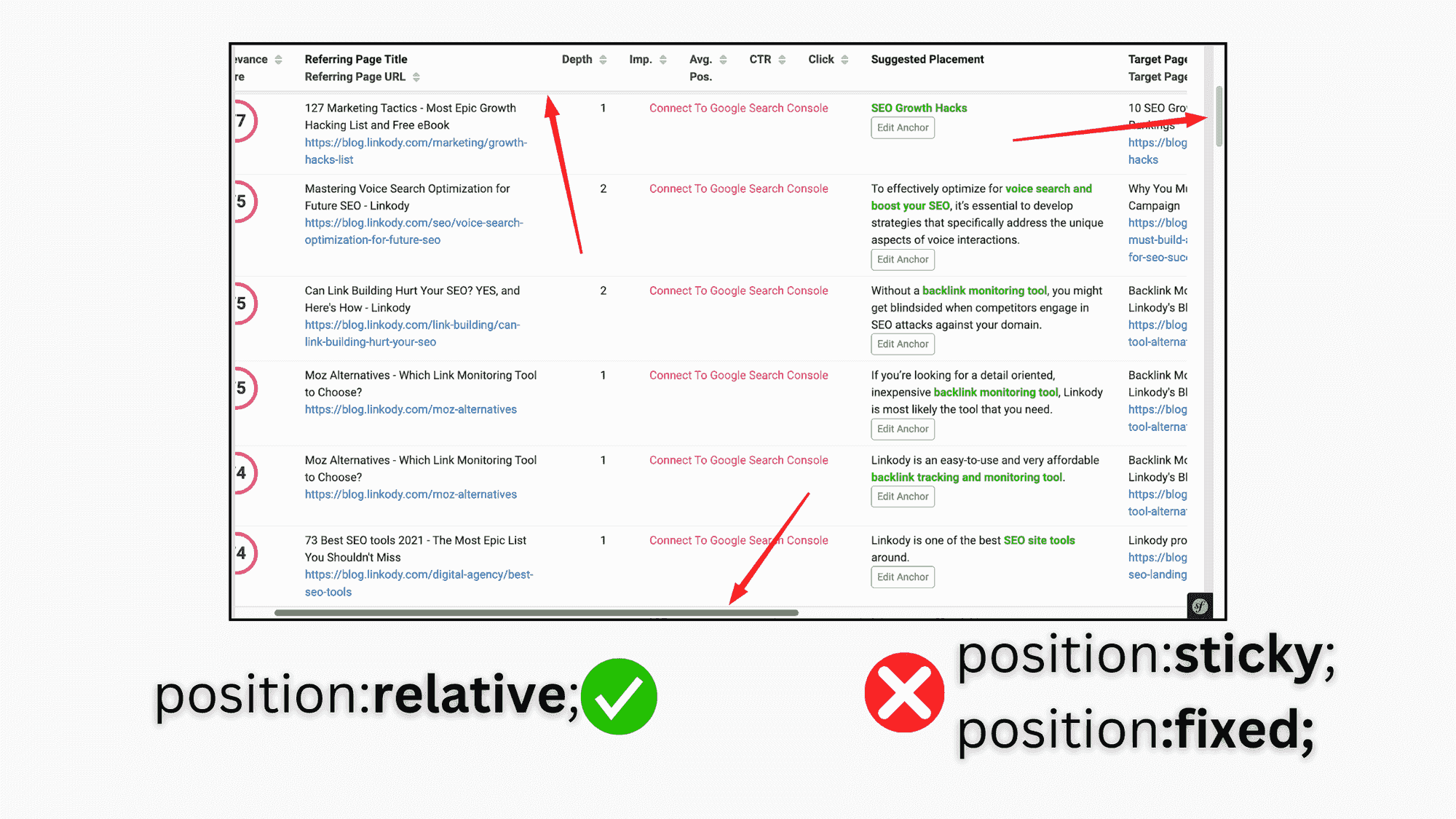
When working on web layouts that involve tables, especially with lots of data, a common design request is to have the table header remain visible as the user scrolls.

You can write a UploadService file. The below code (Nodejs) uploads a file from a given URL to an AWS S3 bucket using a pre-signed URL.

Master debugging stateful apps using URL reset flags. This powerful technique streamlines testing and ensures a seamless user experience.
About fifteen questions, five minutes — Shyam writes it himself, free.